
Healthy snacks for young athletes, including what to eat before, during and after training. Simple, practical ideas for energy, recovery and hydration.
If you have a kid who does any kind of sport seriously, you already know that finding healthy snacks for young athletes can feel like a second job. They are hungry all the time, they need the right fuel at the right time, and they have very strong opinions about what they will and will not eat.
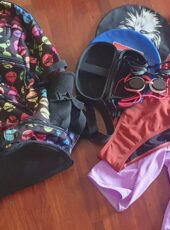
Sound familiar? My daughter swims competitively, and over the years I have had to get pretty strategic about what she eats around training and meets. Too little and she runs out of steam halfway through. Too much and she feels sluggish in the water. The wrong thing at the wrong time and we are dealing with a stomachache before a race. It has taken a lot of trial, a fair bit of error, and more than one soggy sandwich abandoned in the bottom of a swim bag to land on something that actually works.
I will be upfront: I am not a nutritionist or a sports scientist. I am just a mum who got tired of guessing, read everything I could get my hands on, and then tested it against what my kid would actually eat and how her body actually responded. So this is that: what has worked in our house, what I have picked up along the way, no complicated meal prep, no expensive supplements, just real food that fuels kids properly.
Why Healthy Snacks Matter for Young Athletes
For kids training regularly, snacks are not extras, they are part of the plan. Young athletes generally burn through more energy than kids who are not training hard, and three meals a day often does not cut it, especially once you factor in growth on top of training. There is a solid position paper on adolescent athlete nutrition from Sports Dietitians Australia that backs this up: kids training seriously really do need a different approach to fueling than adults doing the same sport.
Timing seems to matter almost as much as what is actually in the snack. A snack an hour before training is doing a different job than a snack straight after, even if the ingredients are basically the same. The International Society of Sports Nutrition has a position stand on nutrient timing that goes into this. The goal is to keep energy steady, help recovery, and make sure your kid is not going into a session running on empty or coming out of one completely wiped.
Healthy Snacks for Young Athletes Before Training

The closer you get to training, the lighter and simpler the food needs to be. Kids do not have big energy reserves to begin with, so what is on board before exercise really does affect how well they can sustain effort.
One to two hours before: proper fuel
This is the window for something more substantial: carbs for energy, protein to keep them going.
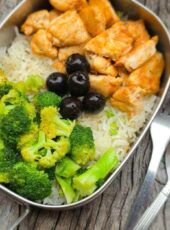
Sticky rice or jasmine rice with protein and veg. This is our go-to, and I make zero apologies for how simple it looks. A small portion of rice with plain blanched chicken and whatever veg we have got, cucumber, carrots, leafy greens, is one of the most balanced things you can put in front of a young athlete before training. Rice gives a gentler, steadier energy release than a lot of other starchy foods, which is exactly what you want going in rather than crashing mid-race.
Growing up in a Filipino household, rice before doing something was just what we did, and my daughter has eaten this way her whole life. It shows up again later in this list, at meets, for exactly the same reasons.
Pasta with olive oil and cheese, or pasta bolognese. Plain pasta with a drizzle of oil and a bit of grated cheese is quick, filling, and easy to digest. On days with more time, bolognese works too, the beef adds protein on top of the carbs. There is actual sports science behind why “pasta night” before a big event is such a universal thing in endurance sports. Carb-loading ahead of training or competition is one of the more well-established pieces of sports nutrition advice out there.
Wrap with egg and cheese, or vegetables. A great portable option for busy days. Eggs are an easy, complete source of protein and tend to sit lightly, which is part of why this works before a session instead of feeling heavy.
Crackers with nut butter. Dead simple: carbs and protein, no prep. We keep a jar on the counter permanently for exactly this reason.
Steamed or jacket potatoes. An easy, filling carb base that sits well before a session. Keep the toppings light, a little butter or a spoon of beans, rather than anything rich or fried, so it does not slow digestion down.
Thirty minutes before: keep it light

This close to training, you want something easy to digest that tops up energy without causing trouble.
Fresh fruit, banana, orange, grapes, apple slices. Banana specifically comes up again and again as a solid pre- or during-exercise snack.
There is a proper study on this: cyclists eating bananas performed just as well as cyclists on a carbohydrate sports drink, and the banana group came out ahead on some recovery markers too. It holds up just as well as more “sporty” processed options. Also the fruit least likely to end up abandoned half-eaten on poolside tiles.
A small pot of plain or lightly flavoured Greek yogurt. A newer addition for us, but it has earned its spot. Protein and carbs in one small container, handy when there is no time and fruit alone will not cut it.
A small handful of beef jerky. A bit of protein without much bulk, good for a quick top-up this close to training.
During the Meet: Snacks Between Events
Swim meets are long. Lots of waiting, lots of adrenaline, energy burning even between races. The goal is to keep things topped up without anything that might cause trouble before getting back in the water, and to keep drinking water throughout, not just when someone remembers.
If you are heading to a competition, my swim meet checklist covers the other essentials worth having in your bag, from practical meet-day items to things that are easy to forget.
Rice portions plain or seasoned with vinegar, salt and sesame oil. We almost always bring a small container. Easy to portion, familiar, gentle on the stomach, and genuinely sustaining over a long day. If you have never thought to bring rice to a swim meet, trust me, it is one of the best things in the bag.
Plain pasta portions. Leftover pasta in a container is another meet-day staple. I stumbled onto this by accident, but cold pasta seems to digest a little more slowly than the same pasta eaten hot, which suits the same slow-and-steady logic as the rice above. For a day with four or five races spread over hours, that gradual release is exactly the point.
Fresh fruit. Oranges, grapes, banana, melon, apple slices: easy to eat, hydrating, natural sugars for quick energy between events.
Beef jerky. A small amount between events, compact and portable, but keep the portion modest so nothing sits heavy before the next race.
Plain crackers or pretzels. Light, neutral, reliable filler when something more substantial is not needed.
Dried fruit. Raisins, apricots, or mango, easy to portion, does not need refrigeration, and gives a steady hit of natural sugar between events.
Granola. A small handful or a mini bag travels well and gives a mix of slow and quick carbs to keep energy topped up over a long meet.
Healthy Snacks After Training: Recovery Snacks for Young Athletes
Of everything I have looked into, this is the part people talk about the most. There is a well-known review on muscle glycogen repletion after exercise that lays out why timing matters so much here. Basically, the sooner you refuel after hard exercise, the faster your muscles restock the energy they just burned through. Getting some carbs and protein into a kid fairly soon after they finish seems to help them recover and rebuild better than waiting a long while, and that window matters even more for kids, since they are growing on top of everything else their bodies are doing.
Chocolate milk. This has been our go-to recovery drink for years, honestly more out of habit than research, but it turns out the research backs it up.
There is a study out of Indiana University where trained cyclists recovered on chocolate milk, a fluid replacement drink, or a carb-only drink, and the chocolate milk group performed just as well as the dedicated sports drink on a follow-up endurance test, better than the carb-only option.
Chocolate milk lands close to the ideal carb-to-protein ratio for after exercise and holds its own against pricier sports recovery drinks. Quick sugars from the chocolate, protein and calcium from the milk. My daughter has a cup in her bag every session, and it does double duty for hydration too. There is good research specifically on adolescent bone health backing up how much that stage of growth depends on calcium, so that is a nice bonus on top.
Crackers with nut butter. Reliable, no fridge needed, carbs plus protein and fat for a filling snack. Swap crackers with wrap or white bread too.
Wrap with egg, or a handful of salad veg. A good bridge if training finishes close to a mealtime. It will not spoil dinner and still gets that easy protein in.
Mini sandwiches. Marmite or Vegemite, or peanut butter and jam.
A Note on Treats
Honest moment here, no snack bag in our house is perfect. Sometimes there is a chocolate bar in there. Sometimes a bag of jellies sneaks in too, and after a long meet day or a hard session, a little treat goes a long way for morale.
Milk chocolate with nuts and seeds falls somewhere between the two categories for us. It gives a quick hit of sugar, a bit of protein and fat from the nuts, and a small dose of calcium since it is milk chocolate. It is filling and it feels like a treat, so we keep it in the bag, but it is there for morale as much as for recovery, and it sits alongside the recovery snacks above rather than replacing them.
If you want something that still feels like a treat but does a bit more nutritional work, dried fruit is worth a mention. Raisins specifically have been tested head to head against sports jelly beans in a study with trained cyclists. It is held up just as well on performance and blood sugar, for a fraction of the price and a lot more natural. In addition, the raisins even scored better on taste. We keep a small box in the snack bag along with other dried fruits such as apricots, mangoes, bananas and dates to name a few.
Treats are not staples and they do not replace the recovery snacks above. They just occasionally sit alongside them. If your kid’s swim bag has a small chocolate stash, you are in very good company.
Stuff We Try to Skip
None of the above means anything goes. There is a real difference between an occasional treat and using the wrong things as actual fuel.
Heavily processed snacks as staples. A bag of crisps now and then is fine. A bag of crisps before every session is not doing much for you. A UK study looked at how much ultra-processed food is actually in kids’ school lunches, and the numbers were higher than most parents would guess. A useful reminder to keep the swim bag mostly whole-food territory, even if the lunchbox is not always perfect.
Store bought energy drinks. Not all energy drinks out there contain caffeine and sugar but we try to watch out for those that do. This is not a parenting opinion either. The American Academy of Pediatrics has an official position on it, stating plainly that energy drinks have no place in a child’s diet.
Very sugary snacks as main fuel. A handful of sweets gives quick carbohydrate, but the crash afterward can genuinely mess with a kid’s focus mid-meet. Although treats alongside proper fuel is fine. TIs it not why it is called a treat?
New foods on competition day. Never introduce something unfamiliar on race day. Stick to what your kid already knows and trusts.
Heavy meals close to training and race time. High-fat, high-fibre food takes a lot longer to digest, which is probably why a big meal right before a swim session tends to cause more problems than it solves.
Hydration: Do Not Forget the Basics
Even mild dehydration, as little as 1 to 2 percent of body weight, which really is not much, can noticeably affect both performance and focus in young athletes. Kids are also more prone to dehydration than adults, partly because of their size, and partly because they do not always notice they are thirsty until they are already behind on it.
Keep your kid drinking water consistently through the day, not just during training, and that includes the long stretches of waiting between events at a meet. The chocolate milk after training covers some of that too. For longer meets or hot weather, coconut water or a well-diluted squash is fine for older kids. Plain water is honestly enough for most sessions. The simplest fix is usually just a bottle they actually like carrying around.
A Note on Eating Around Your Culture
One thing I want to say directly: you do not have to feed your kid like a sports nutrition textbook to fuel them well. The sticky rice and blanched chicken my daughter eats before training is not in most swim meet snack guides. It does not need to be. It works because it is balanced, easy to digest, and familiar.
If your family has its own version of this, a cultural staple that is rice-based, carb-rich, gently seasoned, trust it. The core ideas behind sports nutrition map onto good home cooking from pretty much every food culture out there. You probably already know what works. You just might not have seen it written down like this before.
The Snack Station at Home
One thing that has genuinely made life easier is a variety of food to snack on so there is always something ready to grab after training. Crackers and nut butter in the cupboard, chocolate milk cartons in the fridge, fruit and a small box of raisins on the counter, a container of leftover rice or pasta ready to portion out. It takes about ten minutes at the start of the week to set up, and it saves a lot of stress on busy training evenings, especially the ones where everyone is tired and hungry and nobody has the patience to cook from scratch.
If your child is still getting into the routine of regular swimming lessons, because they do go to lessons before progressing to training when they choose to when they are a little older, I have put together a guide to the essentials to pack for swimming lessons, which is useful for making sure you have everything ready before you leave the house.
Feeding a young athlete well does not have to be complicated or expensive, and you definitely do not need a nutrition degree to do it.
Carbs for energy, protein for recovery, plenty of water, and snacks timed well around training will take you most of the way there. And if a chocolate bar or a bag of jellies occasionally makes it into the bag too, that is just real life. Once you find the snacks your kid enjoys and that actually agree with them, keep those stocked and you are basically set.
What are your go-to snacks for your little athlete? Drop them in the comments. I would love to hear what works in your house, especially if you have got a cultural staple that deserves more credit than it gets.
Sources & Further Reading
A few of the studies mentioned above, if you want to look into any of them further:
Kerksick, C.M. et al. (2017). International Society of Sports Nutrition Position Stand: Nutrient Timing. Journal of the International Society of Sports Nutrition, 14(33).
Desbrow, B. et al. (2014). Sports Dietitians Australia Position Statement: Sports Nutrition for the Adolescent Athlete.
International Journal of Sport Nutrition and Exercise Metabolism, 24(5), 570 to 584.
Nieman, D.C. et al. (2012). Bananas as an Energy Source during Exercise: A Metabolomics Approach. PLOS ONE, 7(5), e37479.
Burke, L.M., Hawley, J.A., Wong, S.H.S. and Jeukendrup, A.E. (2011). Carbohydrates for training and competition. Journal of Sports Sciences, 29(S1), S17 to S27.
Rietschier, H.L. et al. (2011). Sun-Dried Raisins are a Cost-Effective Alternative to Sports Jelly Beans in Prolonged Cycling. Journal of Strength and Conditioning Research, 25(11), 3150 to 3156.
Schneider, M.B. and Benjamin, H.J. (2011). Sports drinks and energy drinks for children and adolescents: Are they appropriate? Pediatrics, 127(6), 1182 to 1189.
Karp, J.R. et al. (2006). Chocolate milk as a post-exercise recovery aid. International Journal of Sport Nutrition and Exercise Metabolism, 16(1), 78 to 91.
Loud, K.J. and Gordon, C.M. (2006). Adolescent Bone Health. Archives of Pediatrics and Adolescent Medicine, 160(10), 1026 to 1032.
Ivy, J.L. (2004). Regulation of Muscle Glycogen Repletion, Muscle Protein Synthesis and Repair Following Exercise. Journal of Sports Science and Medicine, 3(3), 131 to 138.
Parnham, J.C. et al. (2022). The Ultra-Processed Food Content of School Meals and Packed Lunches in the United Kingdom. Nutrients, 14(14), 2961.

 English